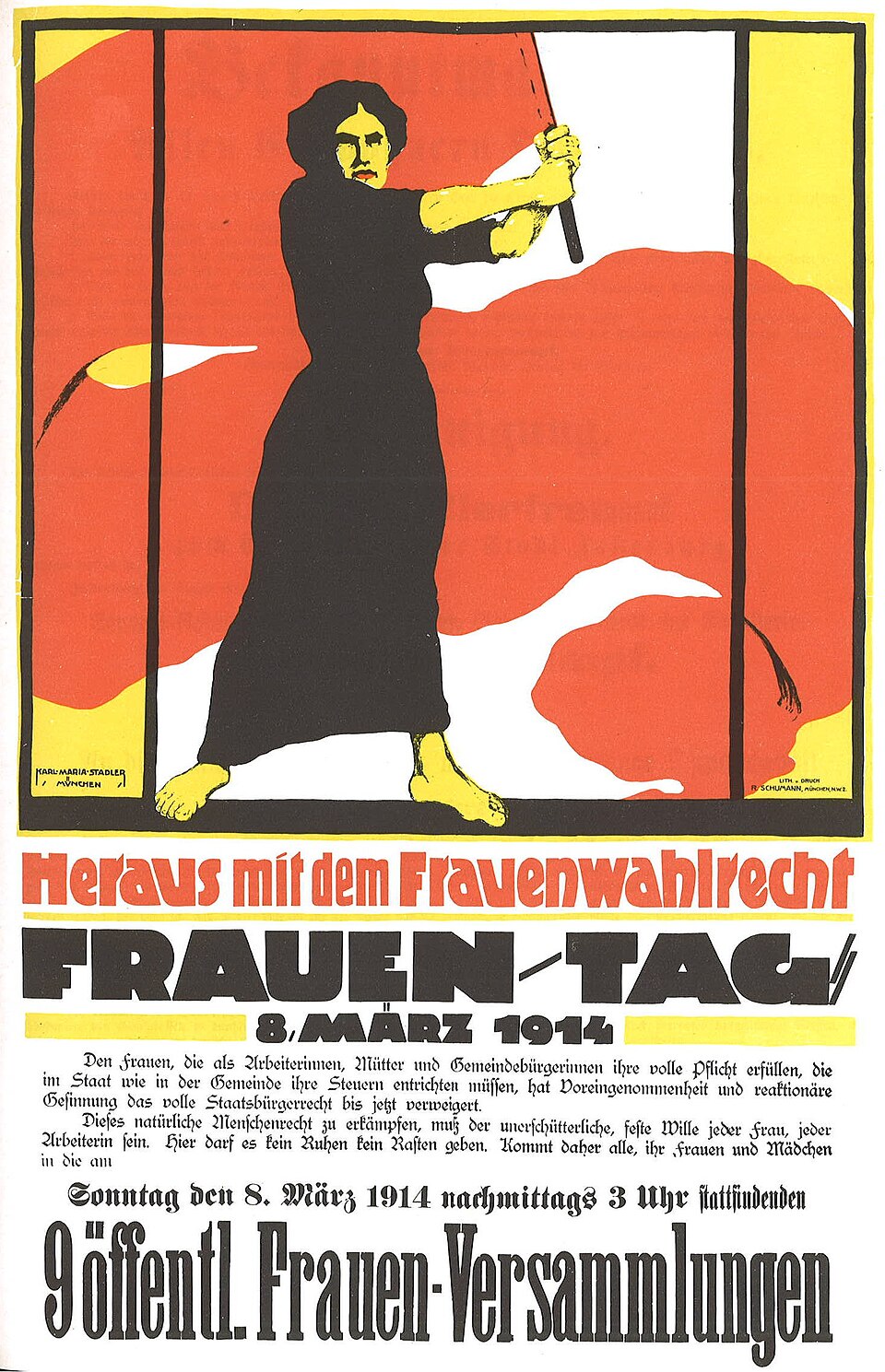
The Century of IWD: From Suffrage Marches to Global Recognition
International Women's Day (IWD) is far more than just a date on the calendar; it's a powerful global observance that has, for over a century, championed the remarkable journey and ongoing fight for women's rights. So, what is Women's Day exactly? At its core, it's an annual opportunity to celebrate the social, economic, cultural, and political achievements of women worldwide. It’s a day for collective reflection on progress made, a fervent call to action for accelerating gender equality, and a vital platform for raising awareness around women's issues. From its fiery origins in the suffrage movement to its current status as a globally recognized symbol of empowerment, IWD encapsulates a rich tapestry of history, advocacy, and celebration.
The Genesis of a Movement: Early 20th Century Demands
The seeds of International Women's Day were sown in a period marked by profound social inequality and widespread oppression. As the 20th century dawned, women across the globe faced egregious disparities, denied fundamental rights such as fair wages, safe working conditions, and the basic democratic right to vote. It was against this backdrop of systemic injustice that women began to find their collective voice, transforming individual grievances into a formidable movement.
A pivotal moment arrived in 1908 when approximately 15,000 women took to the streets of New York City. Their march wasn't merely a demonstration; it was a potent declaration of their demands: shorter working hours to balance life and labor, better pay to reflect their worth, and, crucially, the right to cast a ballot and participate in the political process that shaped their lives. This powerful display of solidarity laid the groundwork for official recognition. Two years later, in the United States, the Socialist Party of America declared the first National Women's Day, observed on February 28, 1909. This event marked a crucial step towards institutionalizing the fight for women's rights.
The idea quickly transcended national borders. In 1910, during the second International Conference of Working Women in Copenhagen, Denmark, a visionary named Clara Zetkin presented a groundbreaking proposal. She advocated for the establishment of an "International Women's Day" – a universal celebration, observed annually in every country, dedicated to pressing for women's demands. Zetkin's bold idea resonated deeply, receiving unanimous approval from over 100 women representatives from 17 nations, signifying a burgeoning global commitment to women's emancipation.
This momentous decision led to the very first International Women's Day celebrations in Austria, Denmark, Germany, and Switzerland on March 19, 1911. The rallies were overwhelmingly successful, attracting over one million women and men united in their campaign for crucial rights: the right to work without discrimination, the right to vocational training, the right to hold public office, and, of course, the fundamental right to vote. These early observances made it unequivocally clear that what is Women's Day was, from its inception, a powerful vehicle for systemic change.
From Regional Observance to Global Recognition
The momentum for International Women's Day continued to build, echoing across continents and connecting diverse struggles. A particularly poignant observance occurred on the eve of World War I in 1913, when Russian women, advocating tirelessly for peace, marked their own International Women’s Day on February 23rd (according to the Julian calendar then in use). Their demonstration highlighted the interconnectedness of women's rights and broader global issues.
Following extensive discussions and a growing international consensus, March 8th was eventually agreed upon as the annual global date for International Women's Day. This date, which translated to February 23rd in the Gregorian calendar widely adopted across the world, has remained fixed ever since, providing a consistent rallying point for women's movements worldwide.
A significant turning point came in 1975 when the United Nations officially recognized International Women’s Day. This endorsement elevated IWD from a grassroots movement to an internationally sanctioned observance, lending it unparalleled legitimacy and reach. The UN's recognition underscored the day's critical role in addressing global gender inequalities and advancing women's rights within an international framework.
However, the journey hasn't been without its ebbs and flows. By the new millennium, some observed a dip in IWD's public momentum, with discussions around feminism sometimes seen as less central to public discourse. Yet, its enduring relevance was powerfully reaffirmed in 2011, on its 100th anniversary. President Barack Obama proclaimed March 2011 as 'Women's History Month' in the United States, calling upon Americans to recognize IWD by reflecting on "the extraordinary accomplishments of women" in shaping the nation's history. This highlighted the dual nature of IWD: a celebration of past achievements and a renewed commitment to future progress. While IWD isn't an official holiday in countries like the United States, its spirit permeates the entire month of March, which is dedicated to Women's History. In contrast, in many other nations, like Italy, where "la Festa della Donna" is celebrated with the traditional giving of mimosa blossoms, it holds the status of a widely recognized cultural observance, if not always a public holiday. To understand more about why we continue to celebrate this vital day, explore
Why We Celebrate Women's Day: Achievements, Equality, and Action.
More Than a Date: Symbolism, Celebration, and Continued Action
International Women's Day is rich with symbolism and diverse expressions of celebration and advocacy. Central to its visual identity are the colors purple, green, and white. These hues, adopted from the Women's Social and Political Union in the UK in 1908, carry profound meanings:
purple signifies justice and dignity,
green represents hope, and
white symbolizes purity. These colors remind us of the suffragettes' unwavering fight and the ideals that continue to drive the movement today.
Globally, IWD manifests in a kaleidoscope of ways. In many countries, it's a day of heartfelt celebration, where women are honored with flowers and gifts. The tradition of giving mimosa blossoms in Italy, believed to have started in Rome after World War Two, is a beautiful testament to this appreciative spirit. In places like China and Russia, vendors often sell flowers wrapped in pink, reflecting a widely shared sentiment of appreciation. Yet, IWD is also a powerful day for activism. In cities like Karachi, Pakistan, and Istanbul, Turkey, women's rights activists rally in the streets, shouting slogans and demanding change, reminding us that the fight for full equality is far from over.
Indeed, IWD's purpose is magnificently multifaceted: it's a day to celebrate women's incredible achievements across all spheres of life; it’s a critical moment to raise awareness about persistent gender inequalities; it’s a clarion call for accelerated change; a platform to advance women's leadership; a lobby for greater gender equality; and an opportunity to fundraise for women-focused causes. Each year, IWD often adopts specific themes, focusing collective efforts on particular challenges, such as empowering women in technology, breaking biases, or advocating for economic justice. Despite significant progress, the data reminds us of the stark reality: women worldwide still hold only 64% of the legal rights that men do, according to United Nations statistics. This enduring disparity underscores precisely what is Women's Day all about – a continuing impetus to close that gap. To delve deeper into these symbols and the day's global impact, consider reading
Decoding IWD: Symbols, Global Impact, and the Fight for Full Rights.
Empowering Change: How You Can Participate
Understanding what is Women's Day historically and its current significance is just the first step; active participation is where real change begins. Here are practical tips and actionable advice for how individuals, communities, and organizations can contribute to the spirit and goals of IWD, not just on March 8th, but every day:
*
Educate Yourself and Others: Take the time to learn about women's history, current challenges, and the diverse experiences of women globally. Share this knowledge within your networks to foster greater understanding and empathy.
*
Support Women-Focused Organizations: Whether through volunteering your time, making a donation, or simply amplifying their message, actively support charities and NGOs dedicated to advancing women's rights, health, education, and safety.
*
Challenge Stereotypes and Discrimination: Be an active ally by calling out sexist jokes, challenging gender biases in the workplace, and speaking up against discrimination wherever you encounter it. Your voice has power.
*
Celebrate Women in Your Life: Acknowledge and appreciate the women who inspire you – your mother, sister, friend, colleague, mentor. A simple message of gratitude or recognition can make a significant difference.
*
Advocate for Policy Change: Contact your elected representatives to express your support for legislation that promotes gender equality, equal pay, reproductive rights, and protections against gender-based violence.
*
Mentor and Be Mentored: If you are in a position to do so, mentor young women and girls, helping them navigate their careers and personal development. Conversely, seek out mentors who can guide your own journey.
*
Promote Inclusivity: Ensure that women's voices are heard and valued in all spaces – from boardroom discussions to community meetings. Actively create environments where diverse perspectives can thrive.
Conclusion
The journey of International Women's Day, spanning over a century, is a testament to the unwavering spirit of women and their allies in the relentless pursuit of equality. From the initial suffrage marches demanding fundamental rights to its current status as a globally recognized day of celebration and advocacy, IWD has evolved but its core purpose remains steadfast. It serves as a vital annual reminder of past victories, a stark spotlight on present inequalities, and a powerful catalyst for future action. What is Women's Day today? It is a call to every individual, every community, and every nation to recommit to a world where gender equality is not just an aspiration, but a lived reality for all. The fight for full rights and dignity continues, and International Women's Day stands as an enduring beacon of hope and a powerful platform for change.